


IN THE LAB

A Bright Way To Detect Mechanical Stress
A team of Swiss and Japanese scientist has developed a polymer that switches on and off its fluorescence in response to mechanical stress.

Searching For Ultralight Bosons With Gravitational Waves
Scientists have proposed a way to use gravitational waves to detect the existence and properties of ultralight bosons.
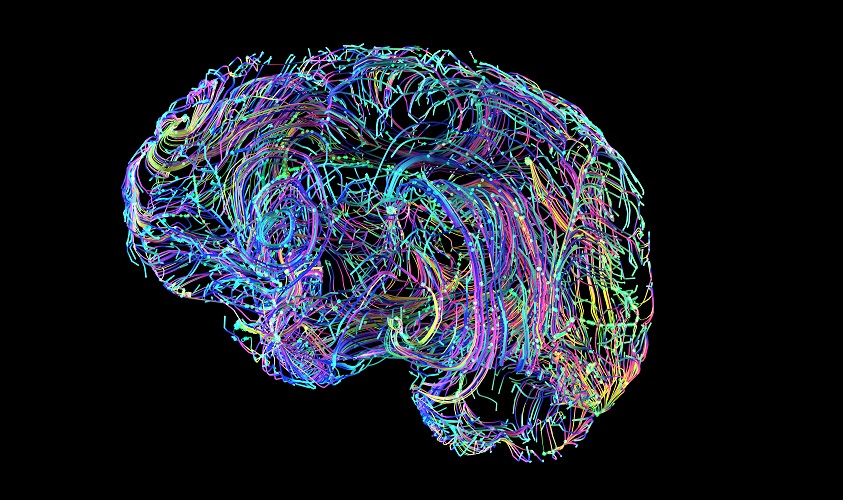
Integrator Genes Play Key Role In Brain Development
Researchers in Singapore have demonstrated that integrator genes help prevent the de-differentiation of neurons in the brain.

From Nata De Coco To Computer Screens
Cellulose nanofibers in the nata de coco snack could be used in liquid crystal displays of the future, say researchers in Japan.
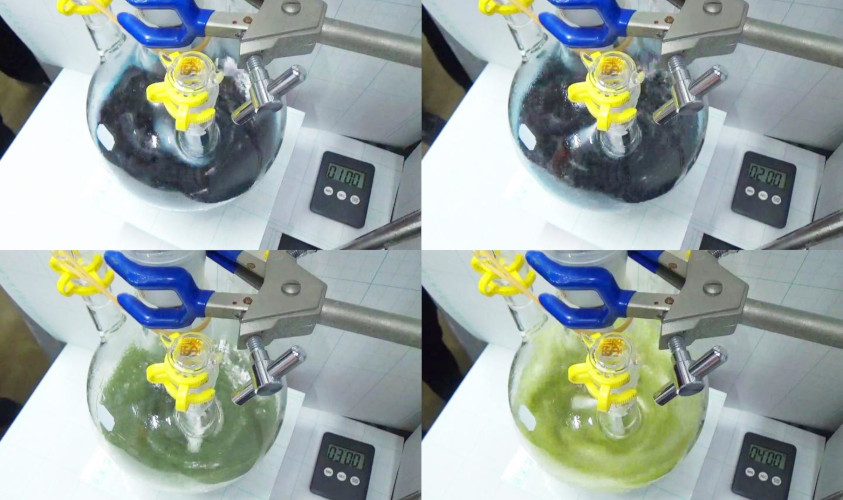
SWAP Process Makes Cheaper, Cleaner Ammonia
Using a molybdenum-based catalyst with samarium as an electron source, researchers in Japan have created a process that produces ammonia more efficiently than the conventional Haber-Bosch process.

Lab-Grown Mini-Brains Link Up
Researchers in Japan have found a way to mimic the architecture of the brain using neurons grown on a microdevice.

7 Must-Read Stories In April 2019
April 2019 saw the passing of Dr Sydney Brenner, but his legacy lives on, and the march of science continues in many laboratories around the world.

Finding The Right Pair Of Antibiotics To Fight Resistant Bacteria
An on-chip screening method allowed scientists in South Korea to identify synergistic pairs of antibiotics for treating stubborn infections.
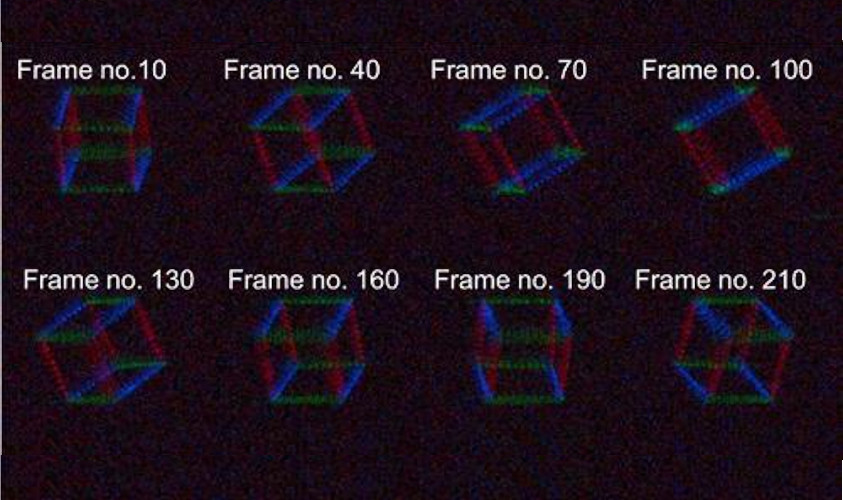
Pinholes Filter Photons For Better 3D Holographic Displays
By placing a titanium film riddled with holes behind an off-the-shelf LCD display, scientists in South Korea found a straightforward way to produce holograms.


